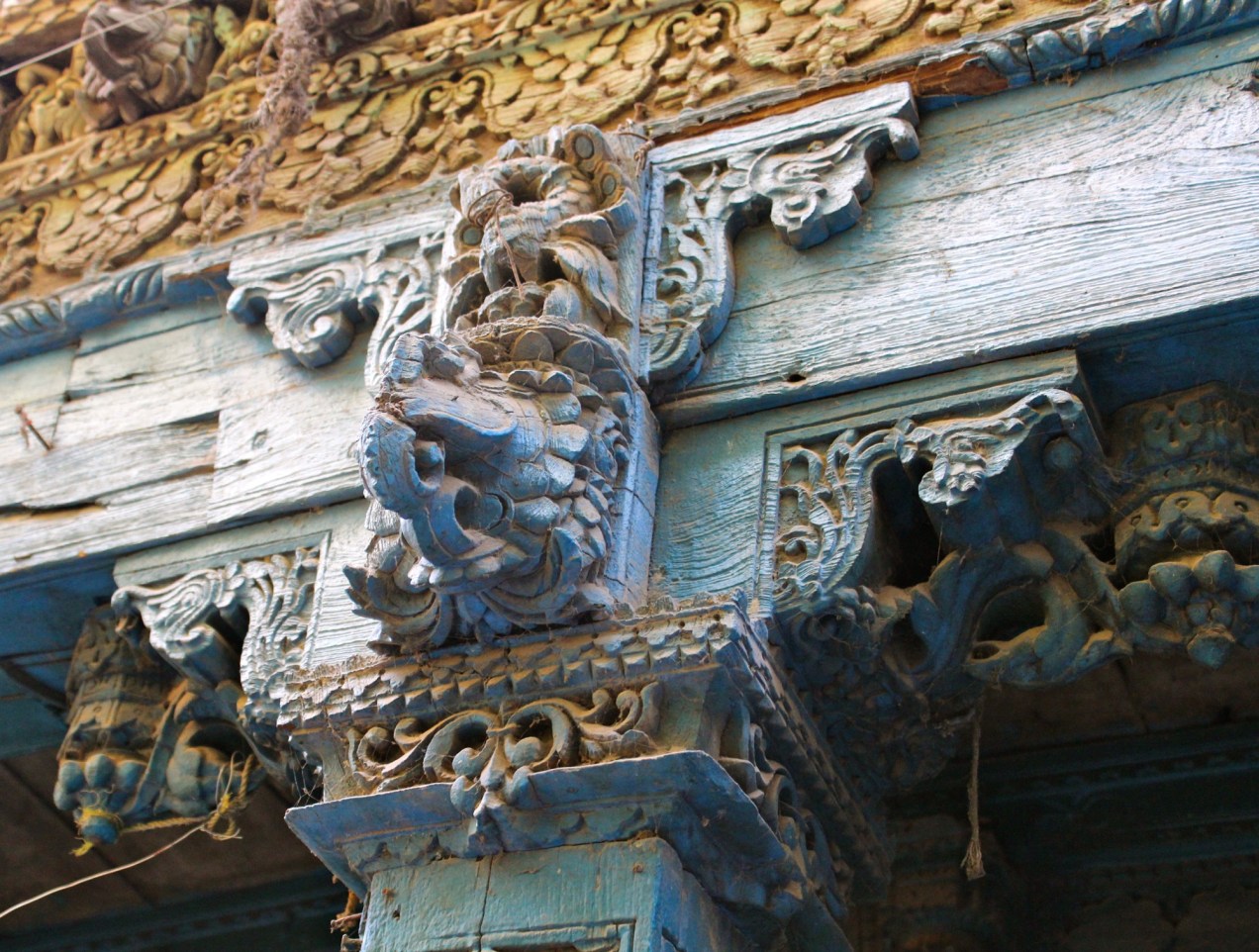
While the bid for the UNESCO World Heritage tag has put Old Ahmedabad and its architecture in the spotlight, its residents, some of whom have lived here for generations, are nearly forgotten.
Tag Archives: Culture
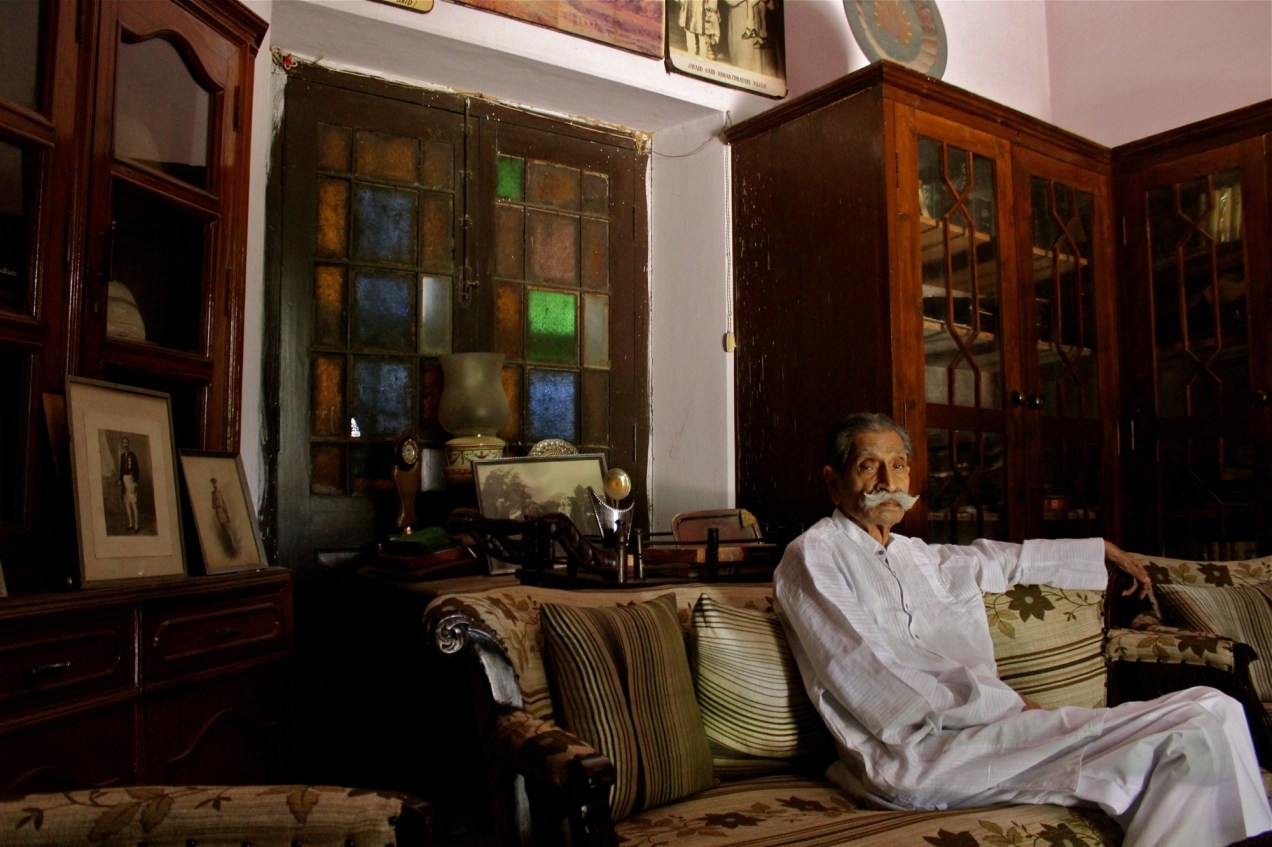
People and Homes of Aligarh
I have always had a fascination with old homes. I grew up in one – Abid Manzil in Aligarh, built in 1935. Well-known as the home of Aligarh Muslim University, the town in western Uttar Pradesh saw many Indian Muslims migrate there in the early 1900s from different parts of the erstwhile United Provinces. This included the Muslim zamindar elites who came from neighbouring principalities as well as working-class and middle-class families from eastern Uttar Pradesh. Many wanted to give their children the chance of a good education at the university. These people brought their cultures and histories with them, blending with the Islamic yet liberal intellectual philosophy propagated by AMU and spearheaded by its founder, Sir Syed Ahmed Khan. The homes of these people, mostly built in the 1930s, are evidence of this syncretic tradition.
On my most recent visit to Aligarh I realised that these pre-Partition houses were gradually disappearing. I met with some of the remaining families, who wanted to talk about the rich history of their homes, the culture and ways of life they embodied, and the measures they were currently taking to secure a future for their homes and themselves. This photo essay tells the story of these homes and the people who live in them.
Read on Himal Southasian (Needs subscription)
(Tag: Culture)
The house within
Naiyer Masud’s multi-story Adabistan.
Our car comes to a halt a few metres from a main crossing in Turiaganj, also known as Victoriaganj. At first we cannot locate the house, so we climb up a few flights of stairs to a row of shops. There, a shopkeeper points straight ahead and, opposite us, behind shops packed together like a deck of cards, a haveli rises. From afar, it almost seems like a child’s sandcastle, with none of the frills commonly associated with havelis of North India. Instead, it seems to have been inspired by gothic architecture, two towers on either side of the conical façade rising up. Crescent-shaped swirls like half-drawn flowers are engraved on their arches, and perpendicular pillars are topped with football-shaped concrete blocks. A plaque above the arch of the left tower reads ‘Adabistan‘ – the abode of literature. As we enter, the haveli greets us with LIVE AND LET LIVE carved along the roof’s boundary wall.
Naiyer Masud’s childhood was spent in the rooms and passageways of Adabistan. ‘Ghar ke bahar nahin likh pate hain,’ he says (I am not able to write outside the house). But once in Adabistan it does not matter which corner he is in – the stories come to him. As a child Masud would tell his mother he was affected by jinns and she, fearing for her child, would say, ‘Ya to fakir ban jaoege ya pagal ban jaoge‘ (Either you will become a fakir or a madman).
Continue reading on Himal Southasian
Mother Tongues endangered due to government neglect
In a globalizing world where Hindi and English hold currency, mother tongues are becoming endangered. The government doesn’t acknowledge they exist nor are they taught in schools. People who speak minority languages or ‘mother tongues’ are too old or not interested in passing them on to their kids.
“The concept of non-discrimination lies at the heart of human rights,” reads the first line of a statement issued by UN High Commissioner for Human Rights, Navi Pillay, this year on December 10, recognized the world over as Human Rights Day.
Pillay’s statement underscores the fact the spirit of human rights lies in “non-discrimination.”
Yet, discrimination on the basis of language, among others, is a common, although often ignored grounds for human rights violations in India.
Our linguistic diversity is under threat because linguistic minorities are gradually letting go of their mother tongues. This coupled with the government’s passive attitude towards preserving these languages has earned India the dubious distinction of being the country with the most number of endangered languages – in the world.
Continue reading on Hindustan Times
 Meher Ali