Journalism

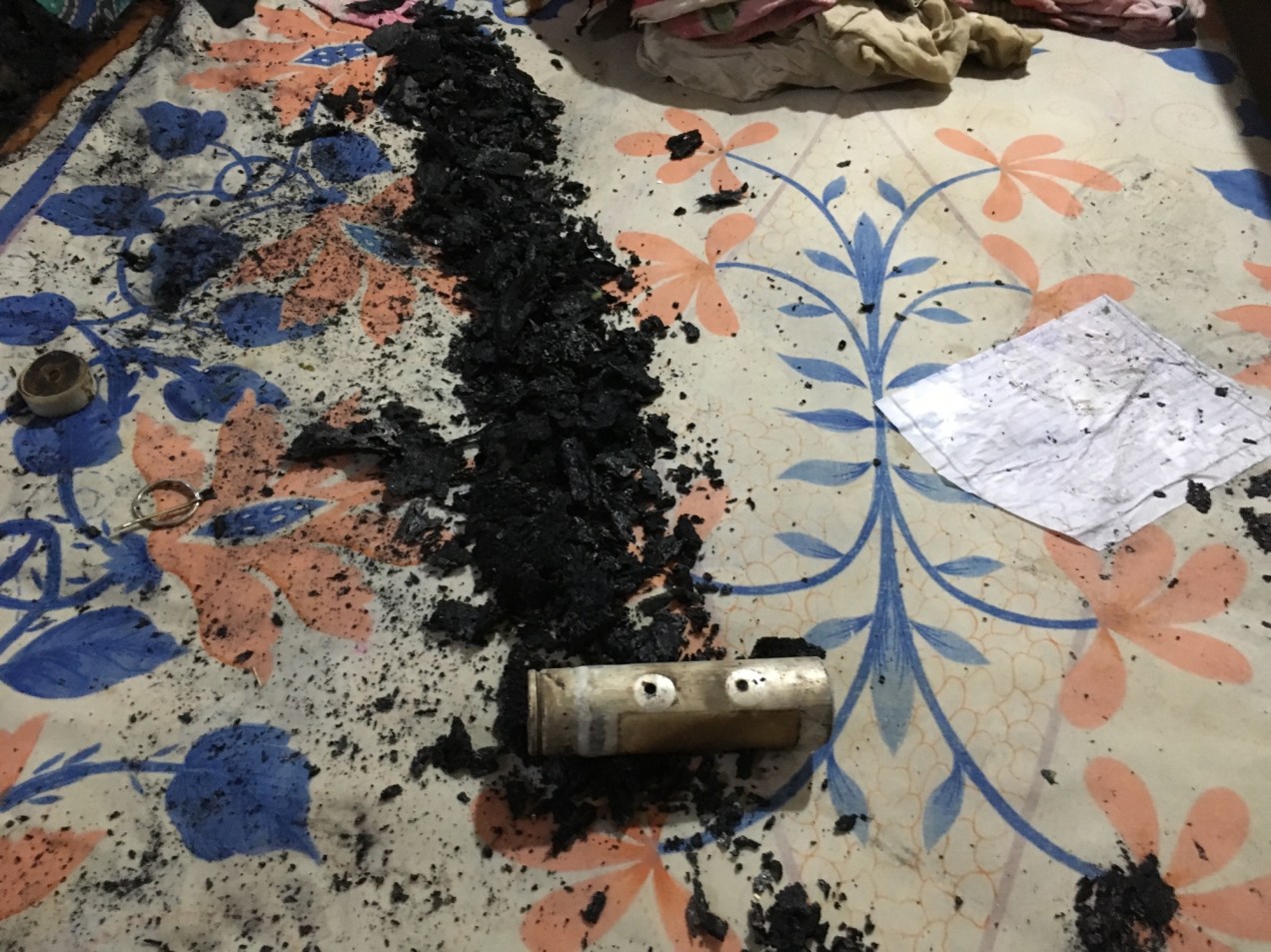
AMU Protests: Detained students released; protestors recall night of terror

At least nine detained Aligarh Muslim University students were released Monday night at around 8 pm following pressure from local Aligarh residents, who gathered on the streets near the university to protest the students’ detention.

Syed Zamin Mehdi (18)’s older brother, Syed Mohammad Mehdi was one of the students who was detained by the police and rapid action force (RAF) on Sunday night during protests. He was released at 8.30 pm from Civil Lines Police Station yesterday after being pressured to do so by local Aligarh residents. The police beat Mehdi up who suffered head injuries and had to get 5 stitches. He is now on his way home.
Continue reading on Two Circles

Standard
Journalism

A room of one’s own: Why Rohingya refugees keep returning to Aligarh

Rohingya refugees left Aligarh after demonetization but are now returning because of unsafe living conditions in bigger Indian cities.

Aligarh:-– Guran Miya (30), a Rohingya refugee, returned with his family to Aligarh in mid-2018, just nine months after he had left.

During this time, he lived in Bangalore and then Hyderabad. It was a struggle, especially in Hyderabad, where he lived in a refugee camp. He says that people had to get in line to use the toilet and there was also a lack of privacy, especially for his wife, when she went to take a bath.

Though he lived rent-free in both the cities, he says that he prefers to pay Rs 1200 per month for a room that he rents in Aligarh.

“Wahaan izzat nahi hai,” (There was no sense of dignity living there), he says.

Guran Miya left Aligarh in 2017.

Continue reading on Two Circles

Standard
Journalism

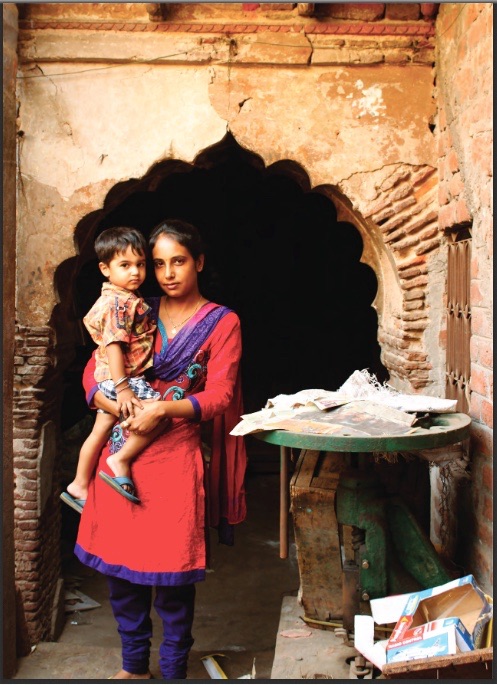
“Wherever a person lives, he ends up belonging there”: A Brief Anecdotal History of Upar Kot

This essay focuses on qissas or anecdotes of small incidents that make up everyday life in small towns in India. These can be seen as alternative histories of a place, removed from official census and surveys that categorize communities and are preoccupied with accuracy of facts. It uses both image and text to tell the story.

Read on Marg magazine (Paywalled)

(Tag: Culture)

Standard
Journalism

People and Homes of Aligarh

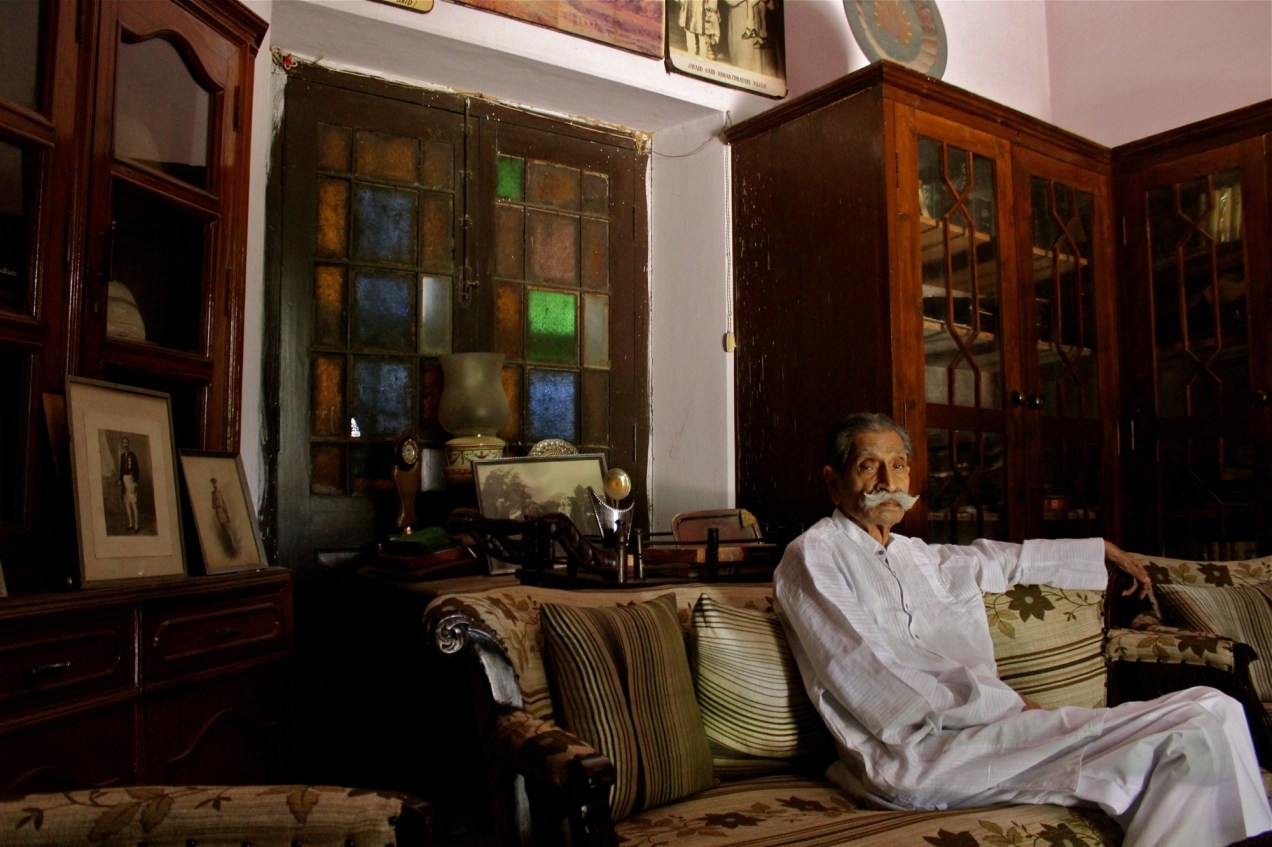
I have always had a fascination with old homes. I grew up in one – Abid Manzil in Aligarh, built in 1935. Well-known as the home of Aligarh Muslim University, the town in western Uttar Pradesh saw many Indian Muslims migrate there in the early 1900s from different parts of the erstwhile United Provinces. This included the Muslim zamindar elites who came from neighbouring principalities as well as working-class and middle-class families from eastern Uttar Pradesh. Many wanted to give their children the chance of a good education at the university. These people brought their cultures and histories with them, blending with the Islamic yet liberal intellectual philosophy propagated by AMU and spearheaded by its founder, Sir Syed Ahmed Khan. The homes of these people, mostly built in the 1930s, are evidence of this syncretic tradition.

On my most recent visit to Aligarh I realised that these pre-Partition houses were gradually disappearing. I met with some of the remaining families, who wanted to talk about the rich history of their homes, the culture and ways of life they embodied, and the measures they were currently taking to secure a future for their homes and themselves. This photo essay tells the story of these homes and the people who live in them.

Read on Himal Southasian (Needs subscription)

(Tag: Culture)

Standard