HUMAN RIGHTS & SOCIAL JUSTICE
The Indian companies arming Israel’s genocidal military establishments
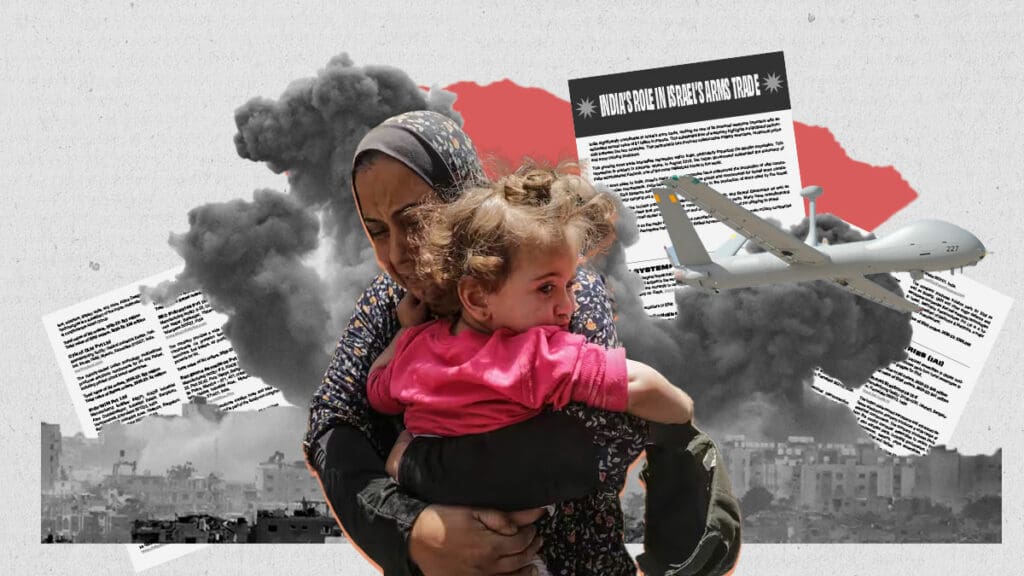
The export of around 20 Hermes 900 drones to Israel by Adani-Elbit Advanced Systems was widely reported in February of this year. What has not been reported is that there are numerous other Indian companies, both big and small, that have been manufacturing and supplying aerospace components, electronic parts and explosives to Israel. In doing so, they may be enabling the war and genocide in Gaza.
Despite Gaza War Crimes, India’s Ties With Key Israeli Military Firms Continue
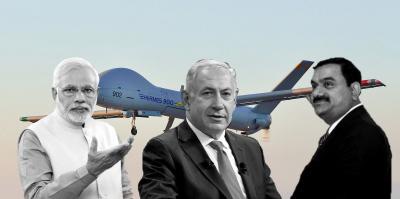
India’s growing military ties with Israel have been widely reported, but most of the focus has been on government-level cooperation. We hear about “Israel” and “India” but which companies are we actually talking about?
The Wire |
AMU Protests: Detained students released; protestors recall night of terror
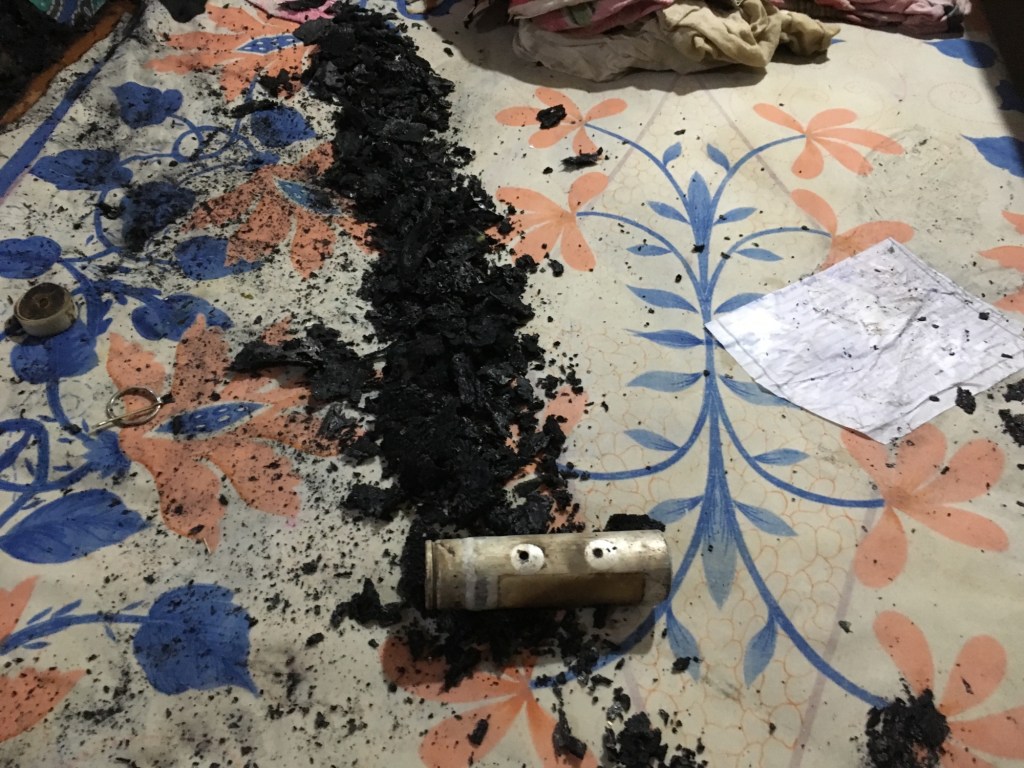
At least nine detained Aligarh Muslim University students were released Monday night at around 8 pm following pressure from local Aligarh residents, who gathered on the streets near the university to protest the students’ detention.
An Uncertain Refuge: The Fate of the Rohingya in India
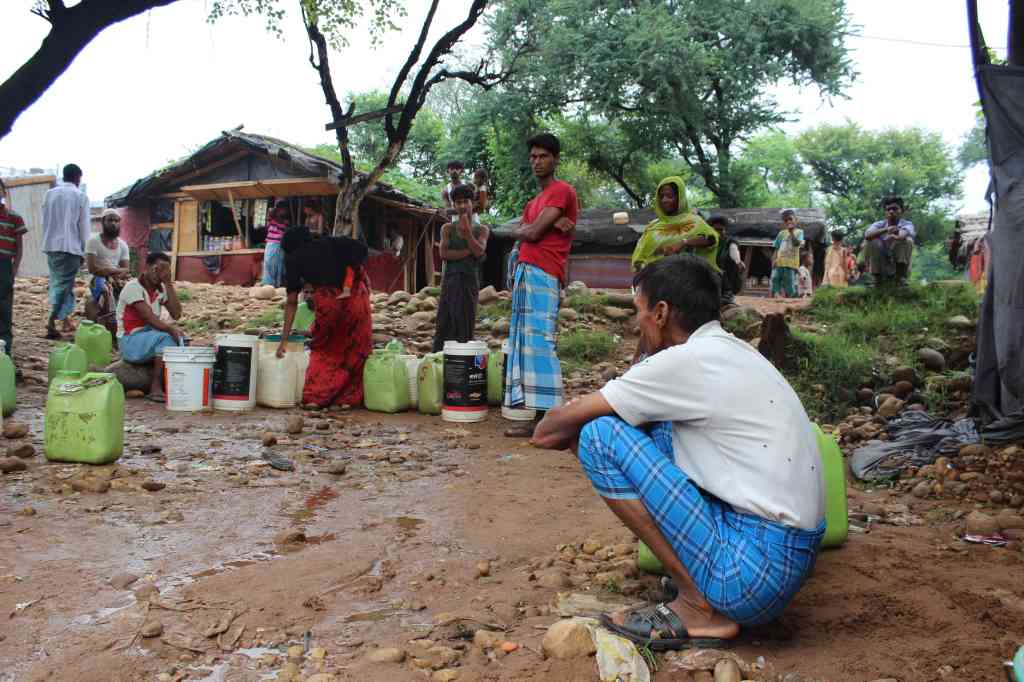
The government is unable to deport them to Myanmar and unwilling to allow them to stay, thus condemning Rohingya refugees to endless and arbitrary detention. An investigation
The Wire |
Mother Tongues endangered due to government neglect
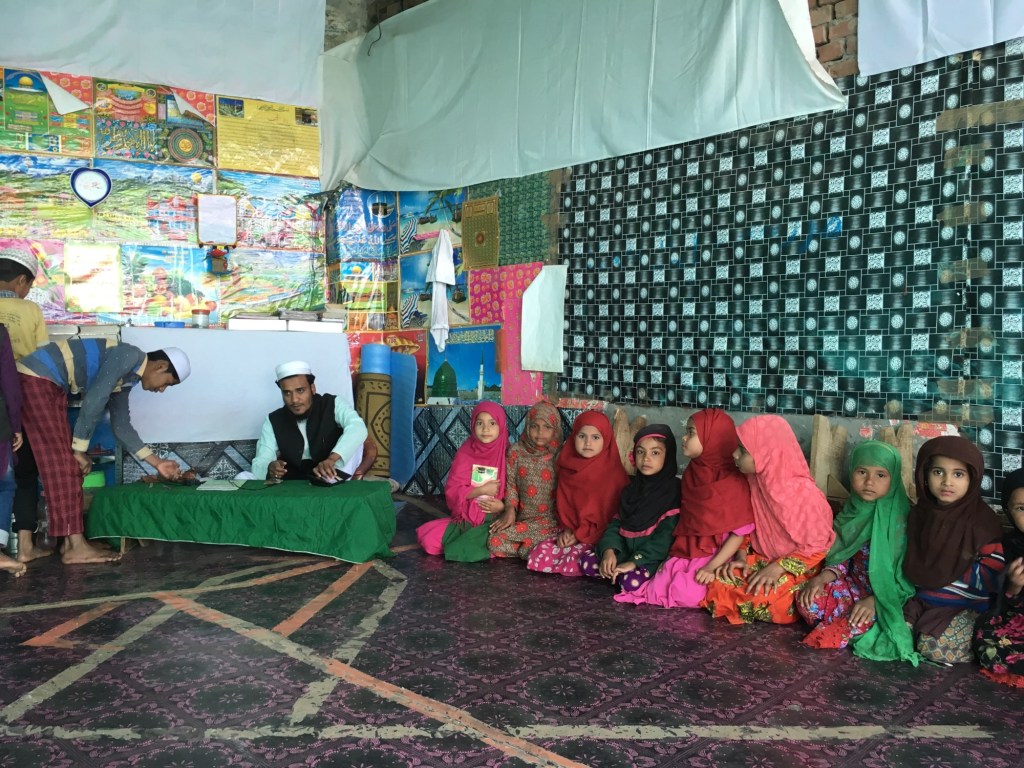
In a globalizing world where Hindi and English hold currency, mother tongues are becoming endangered. The government doesn’t acknowledge they exist nor are they taught in schools. People who speak minority languages or ‘mother tongues’ are too old or not interested in passing them on to their kids.
A widow’s vote
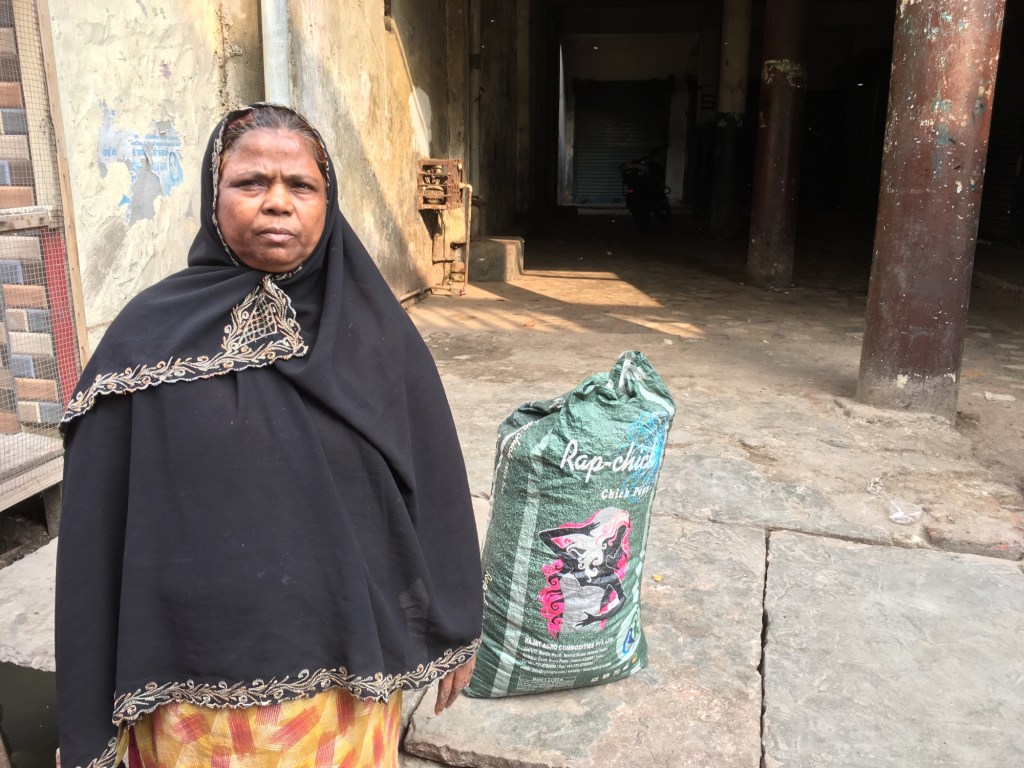
I visited four of Aligarh’s poorest neighborhoods to find out about the voting experience of widows living there.
Conversations held under trees: Aligarh’s women voters on electricity, elections and climate change
If one looks at the speeches made by candidates of all major political parties or media coverage of this election, it is apparent that there are no proposals on the table to tackle heatwaves, floods, droughts and other disasters that have increased over the years, as a result of climate change.
NWMI |
COMMUNITY RESILIENCE
“It’s our kuleana”

Two radio hosts and a TV producer working in Maui’s community media talk about their experience of the wildfires and why giving a voice to their community is more than just a job.
A week after protests, AMU keeps peaceful dissent alive

On the night of 15 December, Ayesha (20) and Tuba (21), two students of AMU sat in their homes listening to the sound of tear gas bombs coming from the university. Then students started calling them saying that they were being beaten up by the police.
A room of one’s own: Why Rohingya refugees keep returning to Aligarh
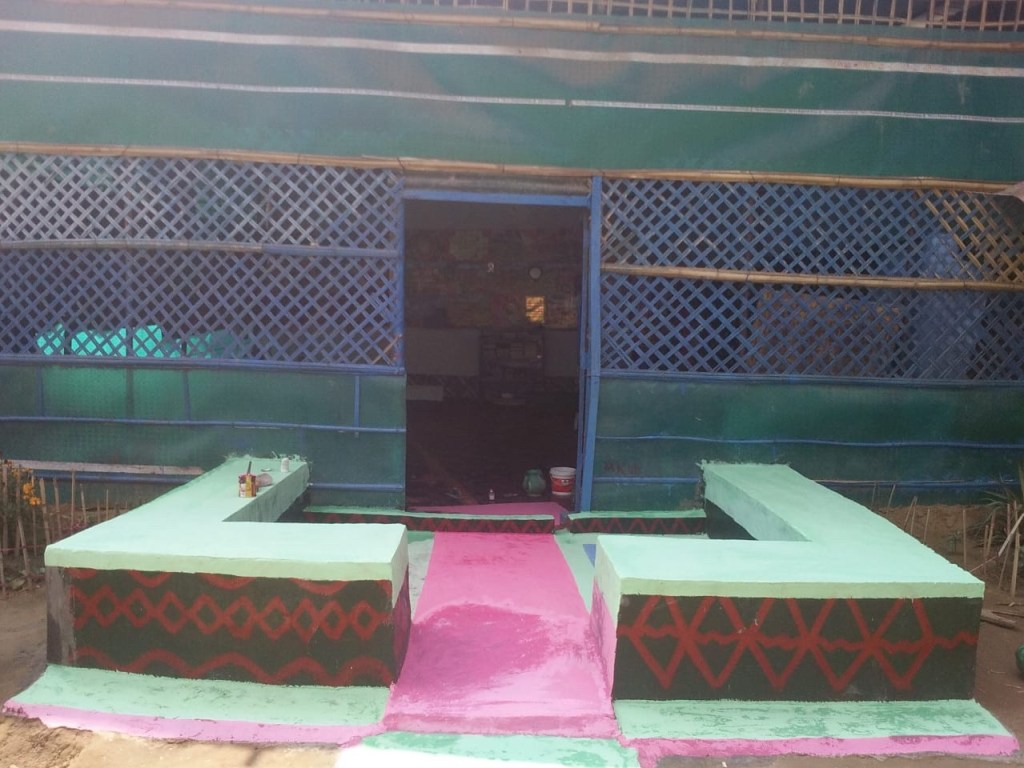
Rohingya refugees left Aligarh after demonetization but are now returning because of unsafe living conditions in bigger Indian cities.
Deportation Fears Turn Rohingya Community Leaders Into Refugee Negotiators

A good community leader, says Mohammad Zafar (24), should have three qualities: ” Thanda dimagh, padhai-likhai, aur aadmi se nafrat nahi honee chahiye (He should have a cool head, be educated, and have no hatred toward anyone).” Zafar is a Rohingya refugee and a leader, or zimmedaar, of the Rohingya community in Aligarh.
The Wire |
HERITAGE
People and Homes of Aligarh
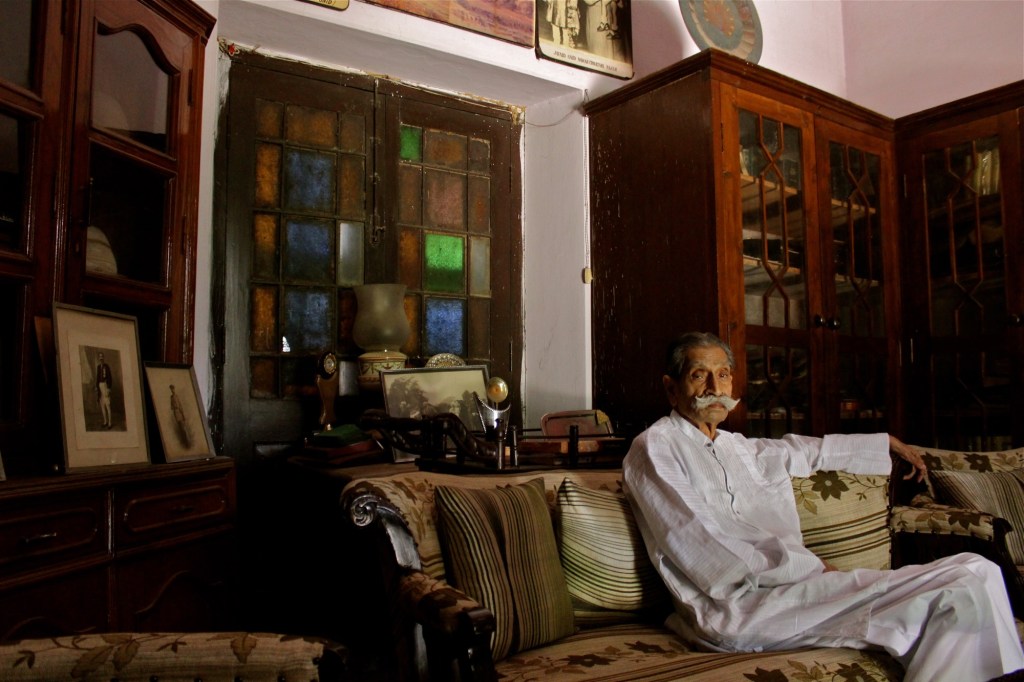
I have always had a fascination with old homes. I grew up in one – Abid Manzil in Aligarh, built in 1935. Well-known as the home of Aligarh Muslim University, the town in western Uttar Pradesh saw many Indian Muslims migrate there in the early 1900s from different parts of the erstwhile United Provinces.
“Wherever a person lives, he ends up belonging there”: A Brief Anecdotal History of Upar Kot
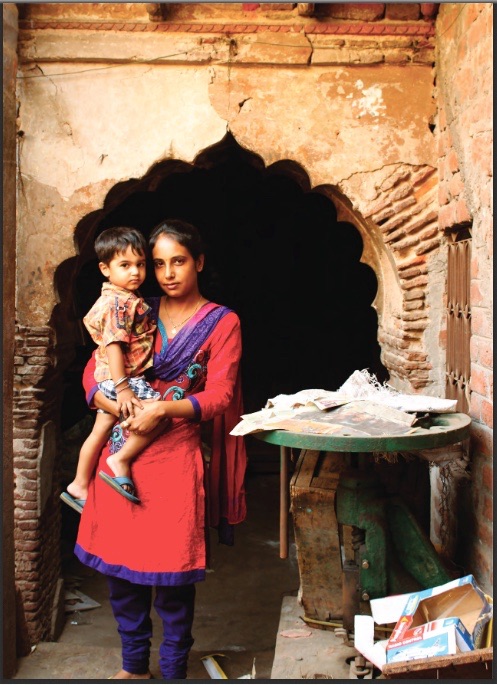
This essay focuses on qissas or anecdotes of small incidents that make up everyday life in small towns in India. These can be seen as alternative histories of a place, removed from official census and surveys that categorize communities and are preoccupied with accuracy of facts. It uses both image and text to tell the story.
In a quest for love
A search for the real tombs of Laila and Majnu uncovers deeper memories of tales of love
A house for Mr Vyas

A haveli that has weathered 200 years in Ahmedabad’s old city and the man who fights to keep it standing have found the last two decades the most trying yet
In the city of pols
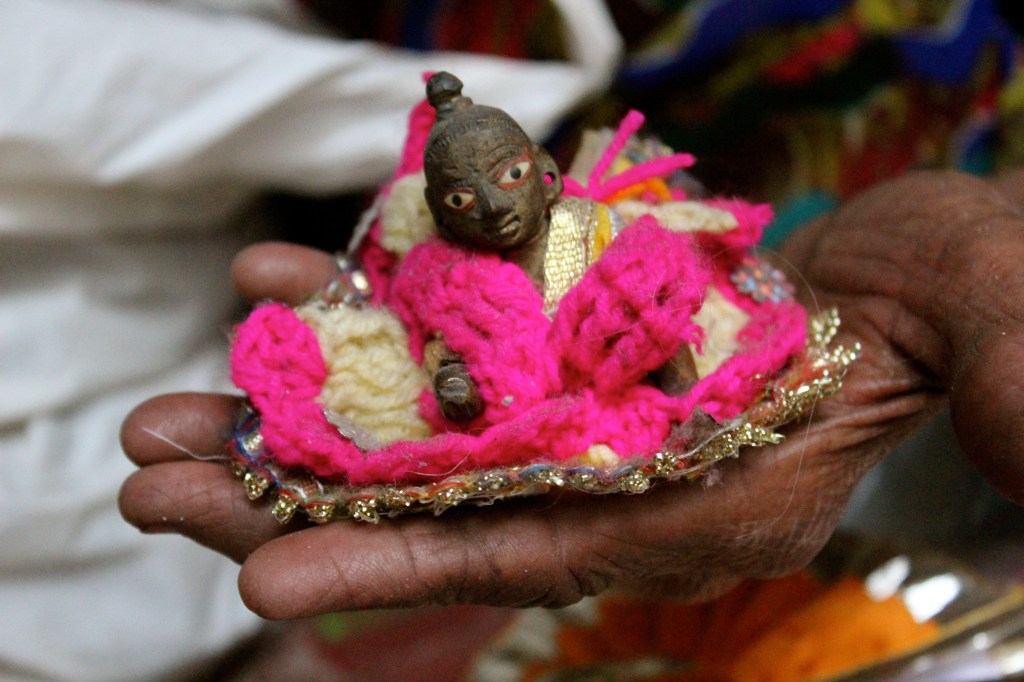
While the bid for the UNESCO World Heritage tag has put Old Ahmedabad and its architecture in the spotlight, its residents, some of whom have lived here for generations, are nearly forgotten.
The Matri Makers of Aligarh
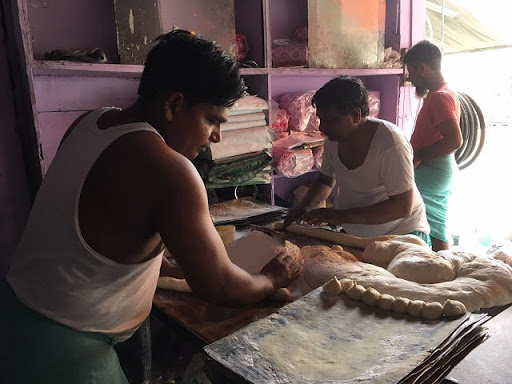
Aligarh ki matri or Aligarh ke biscuit, as it is also called, is nothing special to look at: it just looks like a giant cookie, the size of a quarter plate.
The Karchobi embroiderers of Marehra
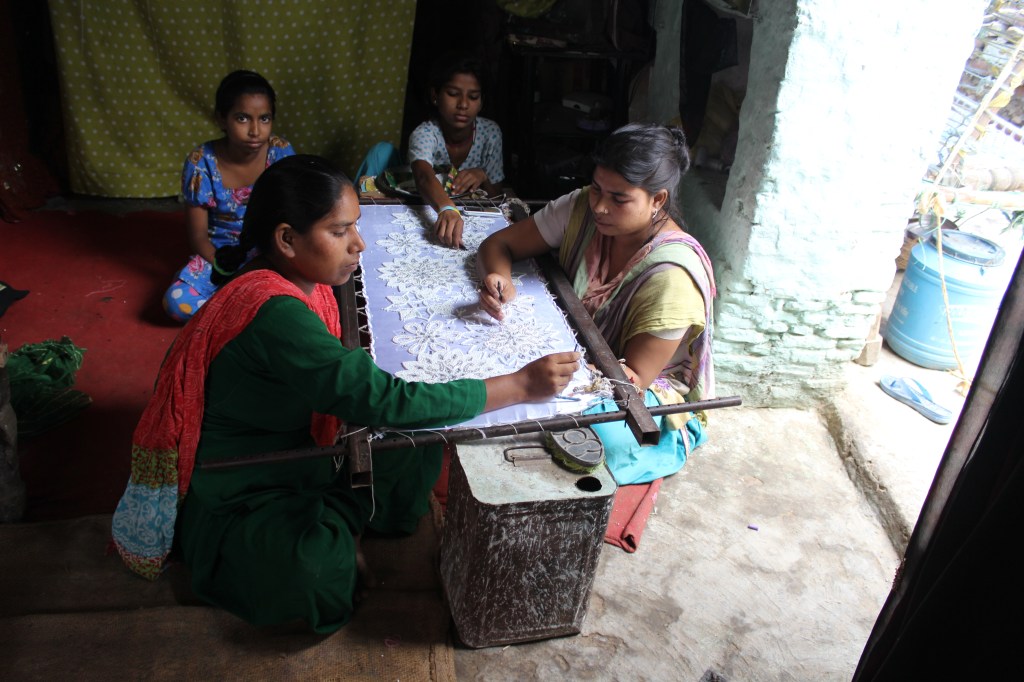
Rifat Bano (30) sits on the brick floor of her home in Marehra, Etah, chatting with her sister Sabina and their two nieces. Between them is a snow-white satin cloth stretched tautly on a rectangular wooden frame.
LITERATURE & CULTURE
The house within
Our car comes to a halt a few metres from a main crossing in Turiaganj, also known as Victoriaganj. At first we cannot locate the house, so we climb up a few flights of stairs to a row of shops.
Self-consciously pulp
In her Translator’s Note for Volume I of this series, Pritham K Chakravarthy wrote that the work, which was also the first publication by the Chennai-based Blaft, was ‘an attempt to claim the status of “literature” for a huge body of writing that has rarely ever made it into an academic library.’
Complexion complex
Sixty years may have passed since the end of the Raj, but “whites” continue to colonize India’s hearts and minds. Few things reflect this better than the unremitting mania for fair skin.
Breaking new ground
This July, Bharat Rajodiya, 20, took seven cardboard boxes used to store detergent from his father’s general store, cut them up, and flattened them to create a makeshift floor on which he could practice breakdancing without hurting himself.
DEVELOPMENT
Smart City plans hit Aligarh’s small businesses
Prime Minister Narendra Modi, in his campaign speech in Aligarh on April 14th, invoked three main development indicators, “bijli…kanoon vyavastha…sadak” besides “electricity and roads.” Development or “vikas” has been one of two constants in his campaign; the other being “karobaar ” or business.
Nursing a foreign dream
Leeja VR (25) came to Delhi in 2005 from Cochin, Kerala, in the hope of finding work in a good hospital. She joined Mata Chanan Devi, a west Delhi hospital, in 2006 as a ward nurse. Now, with three years’ experience behind her, she’s migrating abroad for “better salary and better living conditions”.
Potholes on the road ahead
The Golden Quadrilateral (GQ) project started in 2001 under the National Democratic Alliance government. December 2005 was the first deadline by which the National Highways Authority of India (NHAI) was to finish construction. It missed the deadline, fixed a new one (December 2006) and missed that as well.
 Meher Ali