Journalism

“It’s our kuleana”

Two radio hosts and a TV producer working in Maui’s community media talk about their experience of the wildfires and why giving a voice to their community is more than just a job.

I heard about the Maui wildfires like everyone else: online and through social media. What got my attention was that these wildfires seemed never-ending, and they were happening in the United States.

As a local journalist from Aligarh, a town in northern India, I think that community media and local journalists are crucial to reporting and spreading awareness about events of such magnitude. Without them, we would not get the nuanced, personal stories; without them we could never understand the complex and interlinked lives of communities and how they face tragedies, like the Maui wildfires, and how they are overcome. 

So when my editor proposed that I contact a community radio station in Maui to talk to them about what it was like to live through and report on the wildfires, I immediately said yes.

Continue reading on Radio Pacifica

(Tag: Resilience)

Standard
Journalism

Despite Gaza War Crimes, India’s Ties With Key Israeli Military Firms Continue

On April 5, the United Nations Human Rights Council adopted a resolution urging an arms embargo on Israel and calling on countries to “cease the sale, transfer and diversion of arms, munitions and other military equipment to Israel.” India abstained from voting in favour of this resolution.

The resolution came just two weeks after the publication of “Anatomy of a Genocide,” a report by Francesca Albanese, the UN Special Rapporteur on Palestine, that gave the world evidentiary details on how Israel has committed genocide in Gaza.

This report reaffirms the January preliminary ruling of the International Court of Justice that found that “some of the acts and omissions” committed by Israel during its attacks on Gaza “appear to be capable of falling within the provisions of the [Genocide] Convention.”

Continue reading on The Wire

(Tag: Rights)

Standard
Journalism

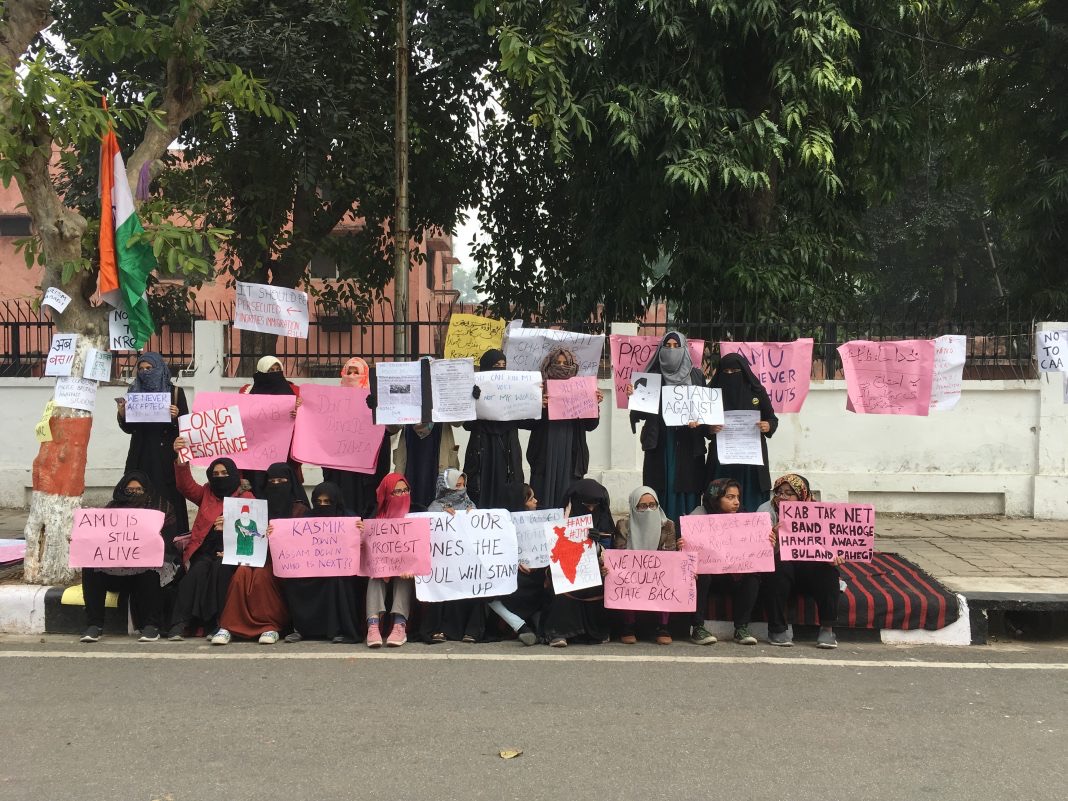
Week after protests, AMU keeps peaceful dissent alive

(Tag: Resilience)

Standard
Journalism

AMU Protests: Detained students released; protestors recall night of terror

At least nine detained Aligarh Muslim University students were released Monday night at around 8 pm following pressure from local Aligarh residents, who gathered on the streets near the university to protest the students’ detention.

Syed Zamin Mehdi (18)’s older brother, Syed Mohammad Mehdi was one of the students who was detained by the police and rapid action force (RAF) on Sunday night during protests. He was released at 8.30 pm from Civil Lines Police Station yesterday after being pressured to do so by local Aligarh residents. The police beat Mehdi up who suffered head injuries and had to get 5 stitches. He is now on his way home.

Continue reading on Two Circles

Standard
Fiction

The Old Woman

There are all kinds of stories in the world. Some are about me. Actually, one was, or at least I think it was, but it was written by a young man, aquiline from head to toe. When he was in the company of those he know well but didn’t see, he cleaned out his nose with fingers that he washed intermittently so as to retain the smell of coffee and hashish.

Continue reading on Storm Cellar

Standard
Journalism

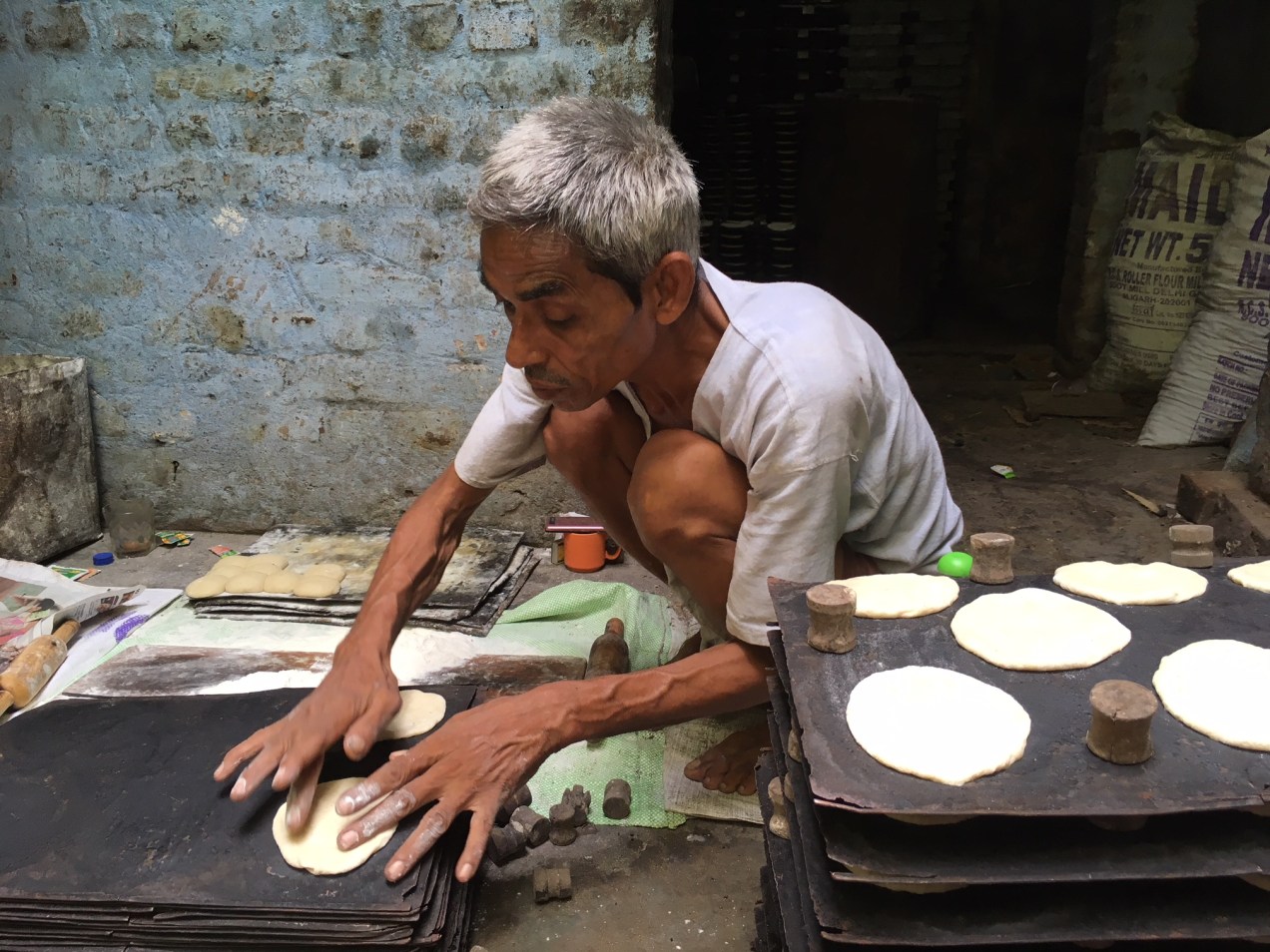
Smart City plans hit Aligarh’s small businesses

Over a hundred shops belonging to small traders and even some homes have been demolished in Aligarh with little prior warning and no compensation, as smart city protocols were initiated in the city with zero or minimal planning.

Prime Minister Narendra Modi, in his campaign speech in Aligarh on April 14th, invoked three main development indicators, “bijli…kanoon vyavastha…sadak” (electricity, law and order and roads)**.” Development or “vikas” has been one of two constants in his campaign; the other being “karobaar ” or business. In his Aligarh speech, he specifically mentioned how this election was a fight to get “nyay” not only for youth, women and farmers but also for “chote karobaari” or small business owners.

Yet, in Aligarh, vikas and chote karobaari clashed head on when shops belonging to small business owners were demolished to widen roads as part of the Smart Cities Mission.

Continue reading on Citizen Matters

Standard